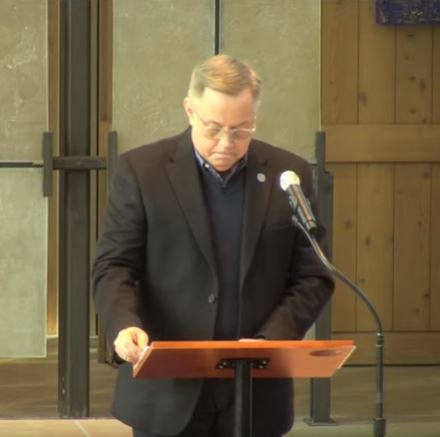
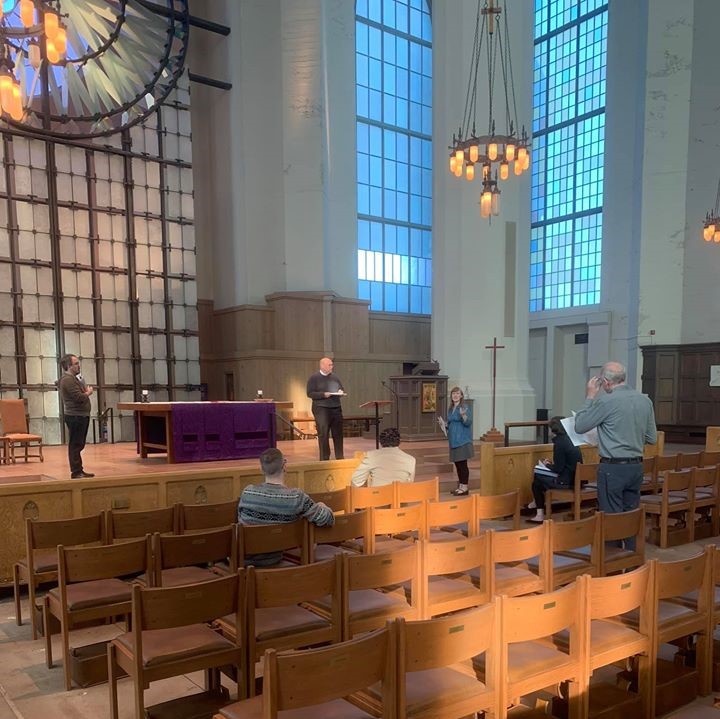
Remarks made at the Housing & Hunger Ministries Summit
December 4, 2024, Bloedel Hall
A reading from the book of Isaiah, chapter 58:
Shout out; do not hold back!
…Announce to my people their rebellion,
to the house of Jacob their sins.
Yet day after day they seek me
and delight to know my ways,
as if they were a nation that practiced righteousness…
they ask of me righteous judgments;
they want God on their side.
“Why do we fast, but you do not see?
Why humble ourselves, but you do not notice?”
Is not this the fast that I choose:
to loose the bonds of injustice…
to let the oppressed go free,
and to break every yoke?
Is it not to share your bread with the hungry
and bring the homeless poor into your house;
when you see the naked, to cover them
and not to hide yourself from your own kin?
…If you remove the yoke from among you,
the pointing of the finger, the speaking of evil,
if you offer your food to the hungry
and satisfy the needs of the afflicted,
then your light shall rise in the darkness
and your gloom be like the noonday.
The Lord will guide you continually
and satisfy your needs in parched places
and make your bones strong,
and you shall be like a watered garden,
like a spring of water
whose waters never fail.
Your ancient ruins shall be rebuilt;
you shall raise up the foundations of many generations;
you shall be called the repairer of the breach,
the restorer of streets to live in.
Here what the Spirit is saying to God’s people. Thanks be to God.
I’ve been asked to speak about why we as Christians do justice work—how it can be a spiritual practice. Many of us are familiar with the prophet Micah’s response when asked what God requires of us: “do justice, love mercy, walk humbly with your God.” But it goes deeper than “we do it because we’re told to.” Of course, we want to make our actions congruent with our beliefs about seeking and serving Christ in all people, loving our neighbors as ourselves, and respecting the dignity of every human being. But “doing justice” is more than just avoiding hypocrisy.
In the reading from Isaiah we just heard, the people say that they’re seeking God. They’re fasting; they seem to want an authentic experience of transcendence. The prophet responds not with contemplative prayer techniques (as helpful as they can be), not with a song to sing, or a worship service to attend—but with a call to action that includes feeding the hungry and housing the homeless. Here, it is in caring for those whom God loves in practical, hands-on ways that we ourselves come closer to God.
There are a few challenges, of course. We’re not given a clear instruction manual for how exactly we’re to go about this work. Do we focus on individuals or organizations? How much time do we spend taking people out of the river, and how much do we focus on preventing them from getting thrown in in the first place? While there’s plenty of work to be done on all fronts, the focus here at least seems to be on more direct action—things that put us in relationship with folks we might never encounter otherwise, that don’t allow us to hide.
When we’re up close, we see complexities we might never see while contemplating in the abstract. We also quickly come up against our limits—what we can do and what we, for whatever reason, cannot do. That can bring humility and remind us of our dependence on God and one another, our need to receive as well as give—something all spiritual practices end up doing as well.
As with other spiritual practices, there’s also the very real danger of self-righteousness. There’s a reason we’re asked to remove the “pointing of the finger.” When we know we’re not doing all we feel like we should, it’s tempting to turn those negative feelings outward – to find someone else to blame, to bear the weight of our frustration: either our fellow citizens, our political leaders. or the needy themselves. While the causes of hunger and homelessness are complex and widespread—there’s plenty of blame to go around, that doesn’t give us license to point the finger as a way of removing the weight from our own shoulders. It takes spiritual practice and discipline to acknowledge our limits and discern how to work through them without making ourselves feel better at another’s expense.
There’s at least one other spiritual danger to this work. Once we start paying attention to need, it’s hard to stop. It’s hard not to get overwhelmed, and it’s tempting to fall into paralysis or despair. We can so focus on not being able to do everything that we forget that we can do something—and that what we do matters. Giving someone the strength to continue for another day, treating them with the God-given dignity they deserve—it matters, no matter how great or small the long-term impact seems to be.
While there are undoubted challenges to this work, there are also promises we can hold onto. First, Isaiah tells us that we’ll see more clearly. When we feed the hungry and help to house the homeless, we find more light in our darkness. It is possible to get beyond our own self-absorption when we’re forced to be in the present moment and help someone else. That doesn’t always feel like a good thing—because we’re seeing more of the need. But we’re also, at least sometimes, able to see beyond the moment. We can see more than just our own efforts. We realize that more people of good will are involved than we ever imagined—that there’s more cause for hope than watching the news would lead us to believe. We can also find the beauty and common humanity of those we’re serving. We can find more reasons for gratitude and for joy.
We’re also promised that God will guide us continually—that God will satisfy our needs in our parched places and make us strong. In other words, we are not left to our good intentions. God is with us every step of the way, giving us light to take the next step, increasing our capacity to give and serve. We often don’t know what we can do until we start doing it, and once we start, God gives us the energy and imagination and will to do more.
The images in the passage from Isaiah are powerful. We’re told that when we do this work, we’ll be like a watered garden. With God and our faith community caring for and tending to us, we’re able to provide more for others—to feed them, to give them shelter, and to receive whatever they have to offer in return. We become like a spring of water that does not fail, because we’re drawing from an endless source. That doesn’t mean we don’t ever need breaks or times of rest; gardens have fallow seasons. Springs can’t be tapped continually. We need time for our reserves to fill. But we’re never expected to draw from our own strength alone.
This, of course, provides challenges too—because it requires us to trust others and not try to do everything ourselves. As we all know, hunger and homelessness work is inherently a group endeavor. We can and should rotate who takes the lead. This is yet another opportunity for humility, in my mind, because it requires us to recognize that there’s more than one right way to do things—that my way isn’t the only way and that I can learn from how others might approach the same tasks. And if that’s not part of spiritual practice, I don’t know what is.
I love the final images given to us by Isaiah. He tells us that when we do this work, we “raise up the foundations of many generations.” We don’t need to start from scratch or reinvent the wheel; we build on the work of those who’ve gone before us. We can take comfort in knowing that we’re part of work that started long before we were born and will continue long after we’re gone. We don’t have to finish the work of feeding the hungry or housing the homeless; we just have to continue it. And when we do these things, we’re told that we’re “repairers of the breach”. We’re helping to close the gap between what is and what could be. We’re “restorers of streets to live in.” We’re helping to repair the world. That, to me, is at the core of spiritual practice.


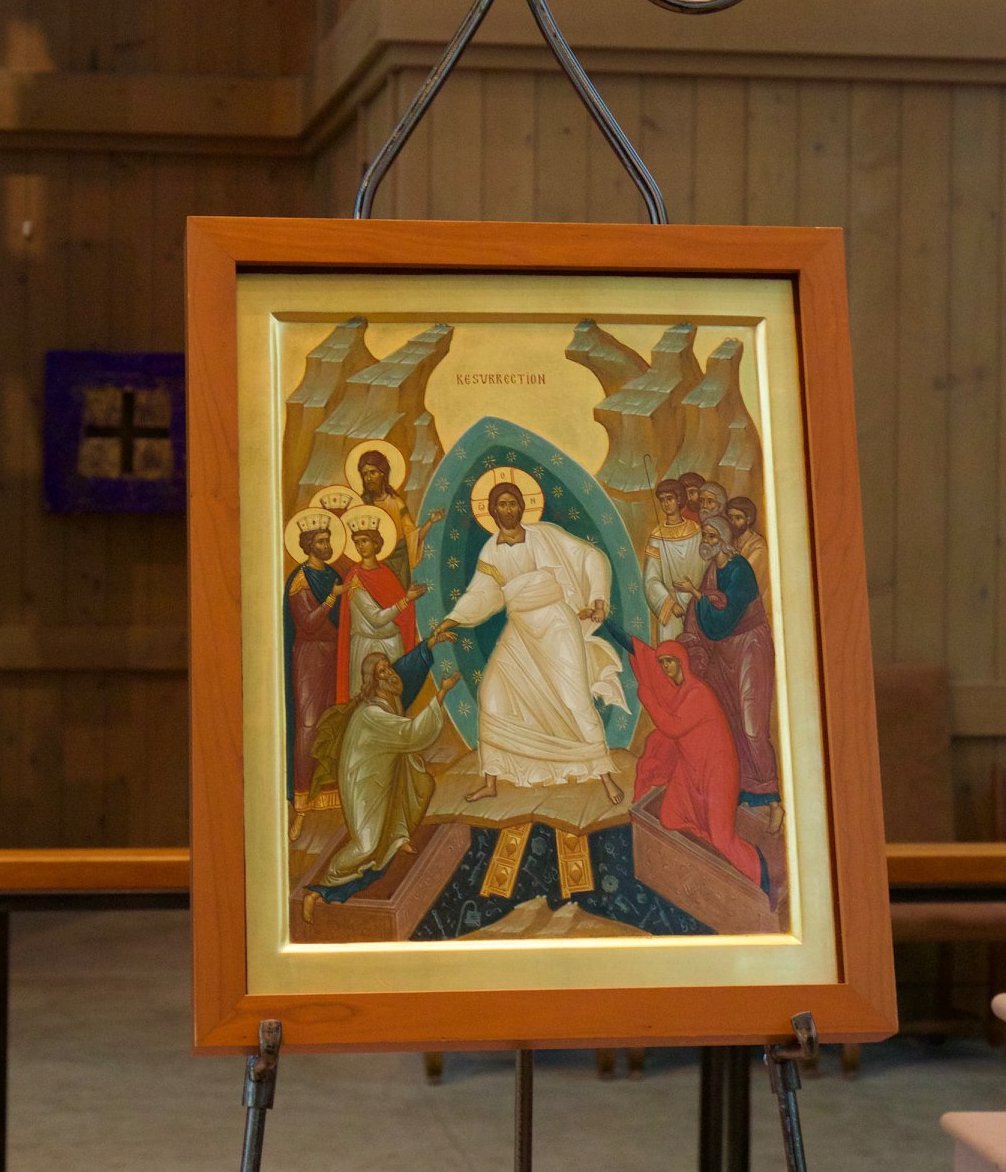
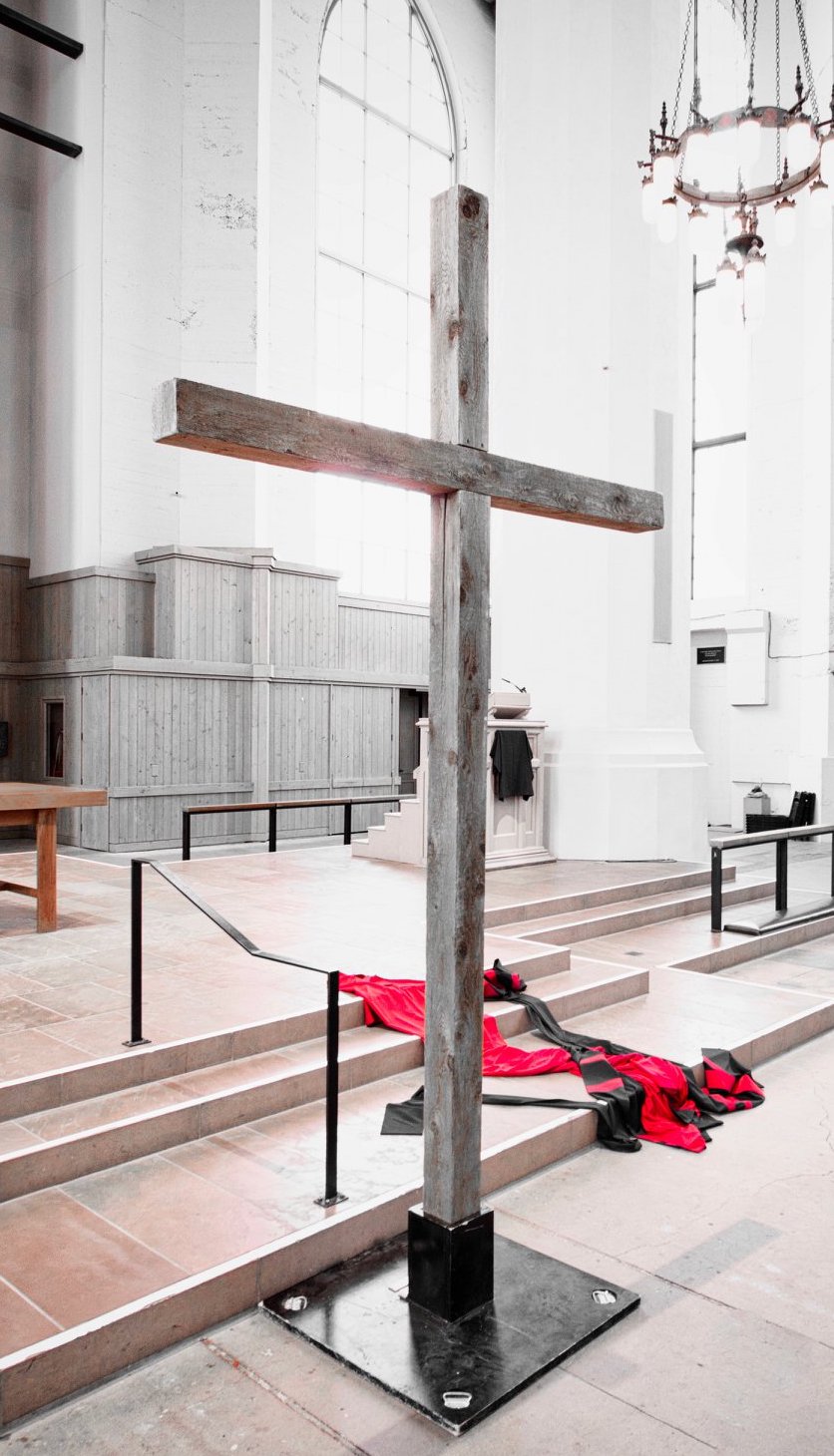
 As we approach Holy Week and the heart-heavy task of walking with Jesus to the cross and beyond, I am keenly aware of the harm that is done when religion is misused to justify crimes against humanity. The One we follow was killed by the deadly concoction of distorted religious fervor by the few, doused with the flammable rhetoric of a politics of hatred.
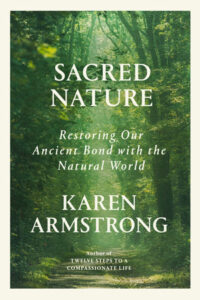 This fall I’ve been reading Karen Armstrong’s most recent book,
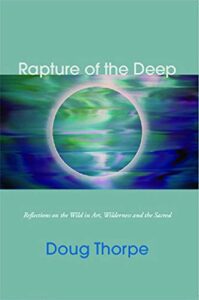 This awareness of mine may well mark a difference from when I first wrote about these mountains in a book called
 Lent. The word derives from the Old English lencten meaning spring season, perhaps derived from a related root meaning long, connected to the lengthening of days. Or, perhaps, to just how long it can take for spring to arrive in the north. Think of the melting of icicles off gutters, which I remember best from my childhood on the edge of Chicago when I used to delight in eating them like popsicles. Lent is no longer winter exactly, but in northern climates it’s also not that burst of energy that we associate with Spring, even though the spring equinox often occurs during Lent. Still, it’s during this liturgical season that somewhere below the surface of the earth things are beginning to quicken. Life returning—time itself is in motion again.
 There is no better expression of this, in my opinion, than the experience of celebrating Eucharist even as we are observing Lent—and yes, right up through Good Friday. So there we are, caught in this linear sequence that leads us inevitably to the cross and death, and yet in the very midst of that we are celebrating again this meal with Jesus, who is very much with us—not simply as a memory, but somehow here, now, even as He is with Mary Magdalene at the tomb and with those disciples on the road to Emmaus.
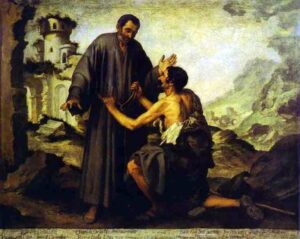 Consider the story that Belden Lane (the
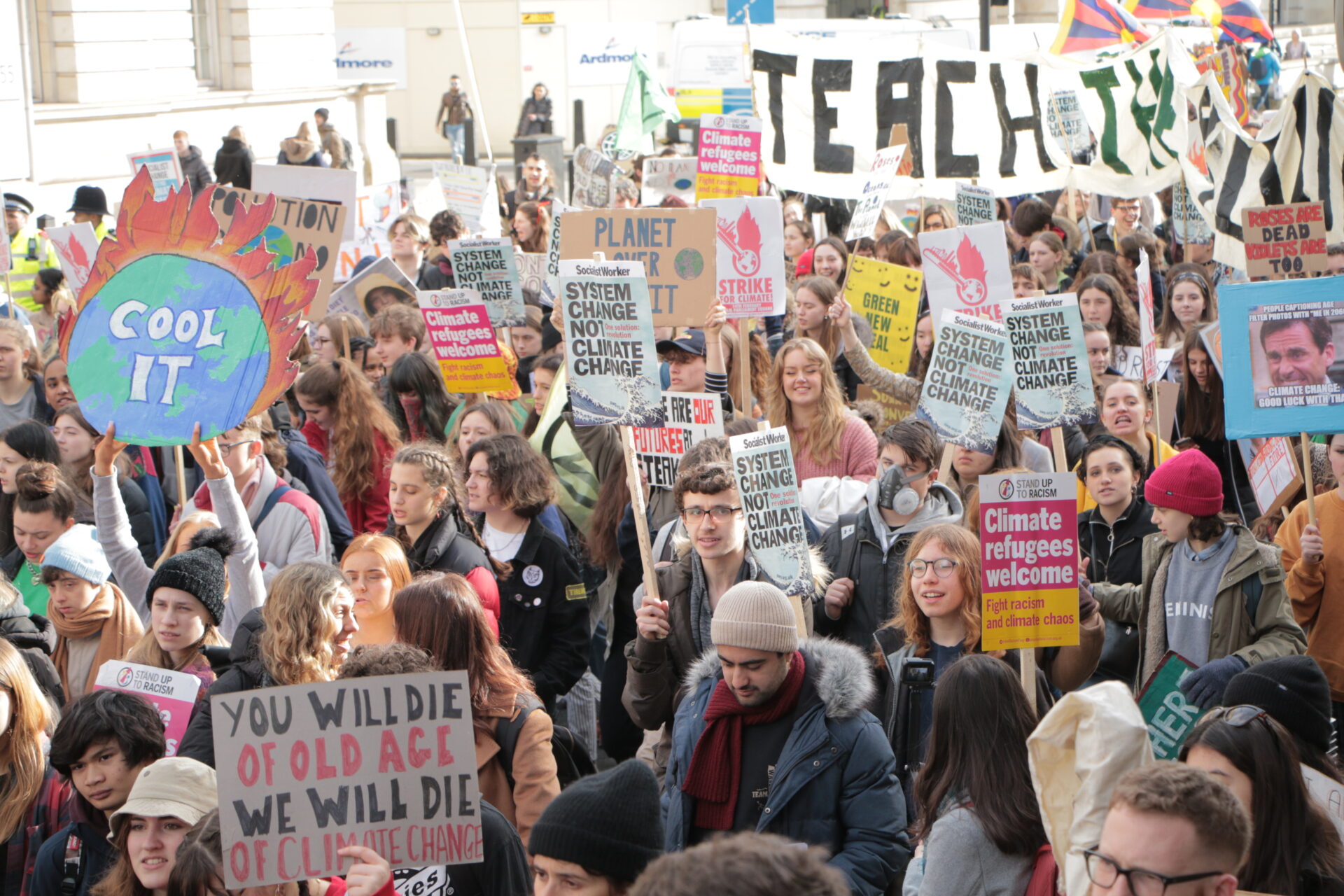


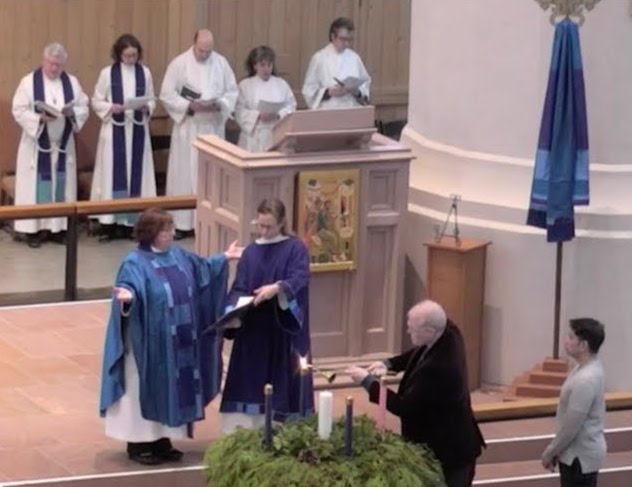

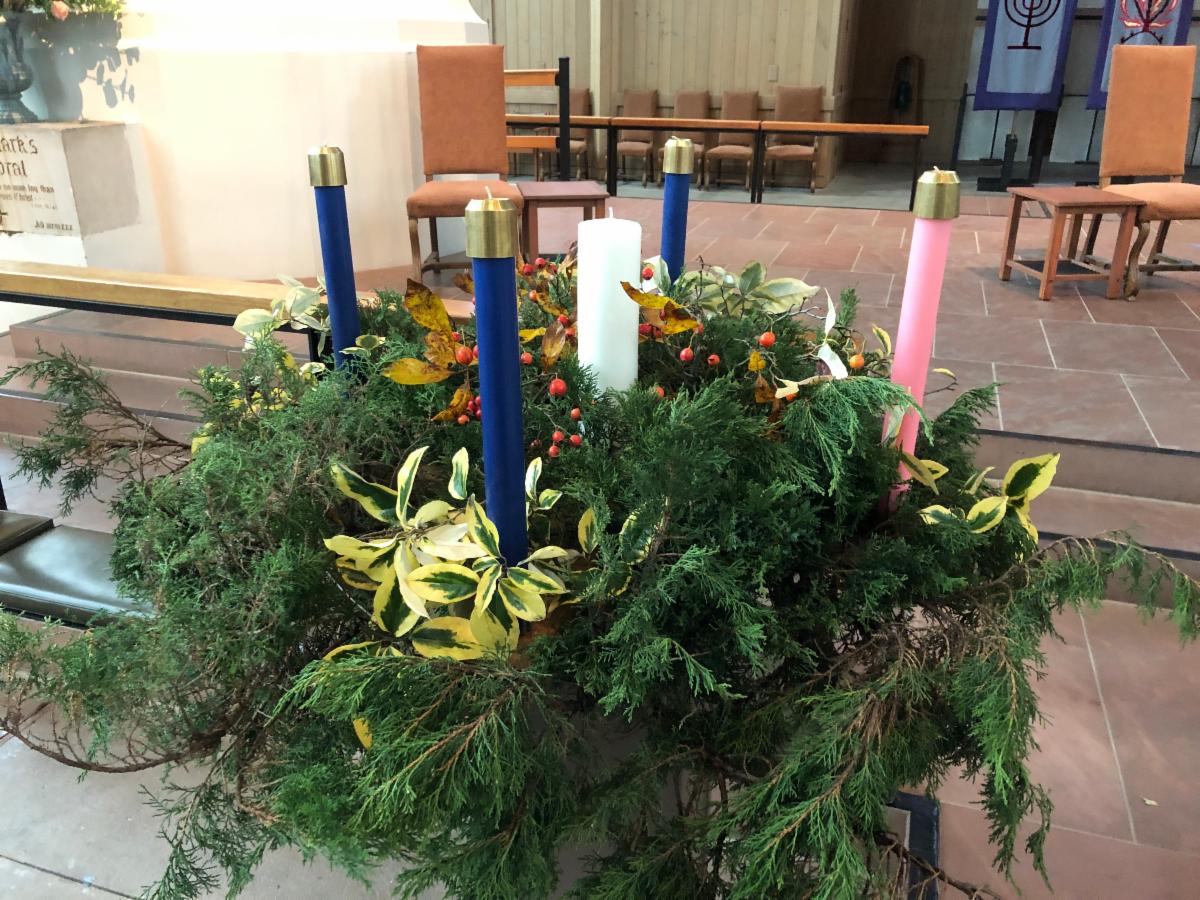
 My coffee table was anything but pristine this morning, featuring at least nine different containers. The obvious ones were present: cereal bowl, empty mug, and tea strainer. Several candleholders occupied one corner. On the other side, a ceramic bowl was filled with buttons and stickers and, yes, dust.
 Can Venmo be a sacrament? It has become one for me.
 The stewardship collect for this year begins with, “Generous Creator, you knit us together into one common life.” For today’s stewardship reflection I want to muse a little on knitting as a theological metaphor. Knitting is known as a “single element” technique. That means knitting takes one continuous thread and then shapes it into something new. You begin with a ball of yarn and loop it in a specific way to form a hat or scarf or sweater. So being knit together implies that, like a strand of yarn, we are already connected to one another (as members of the human family and children of God). But being knit together means an added closeness and a new shape—which serves a fresh purpose. How have you felt knit into community at Saint Mark's?
 Welcome to this week's Stewardship Reflection!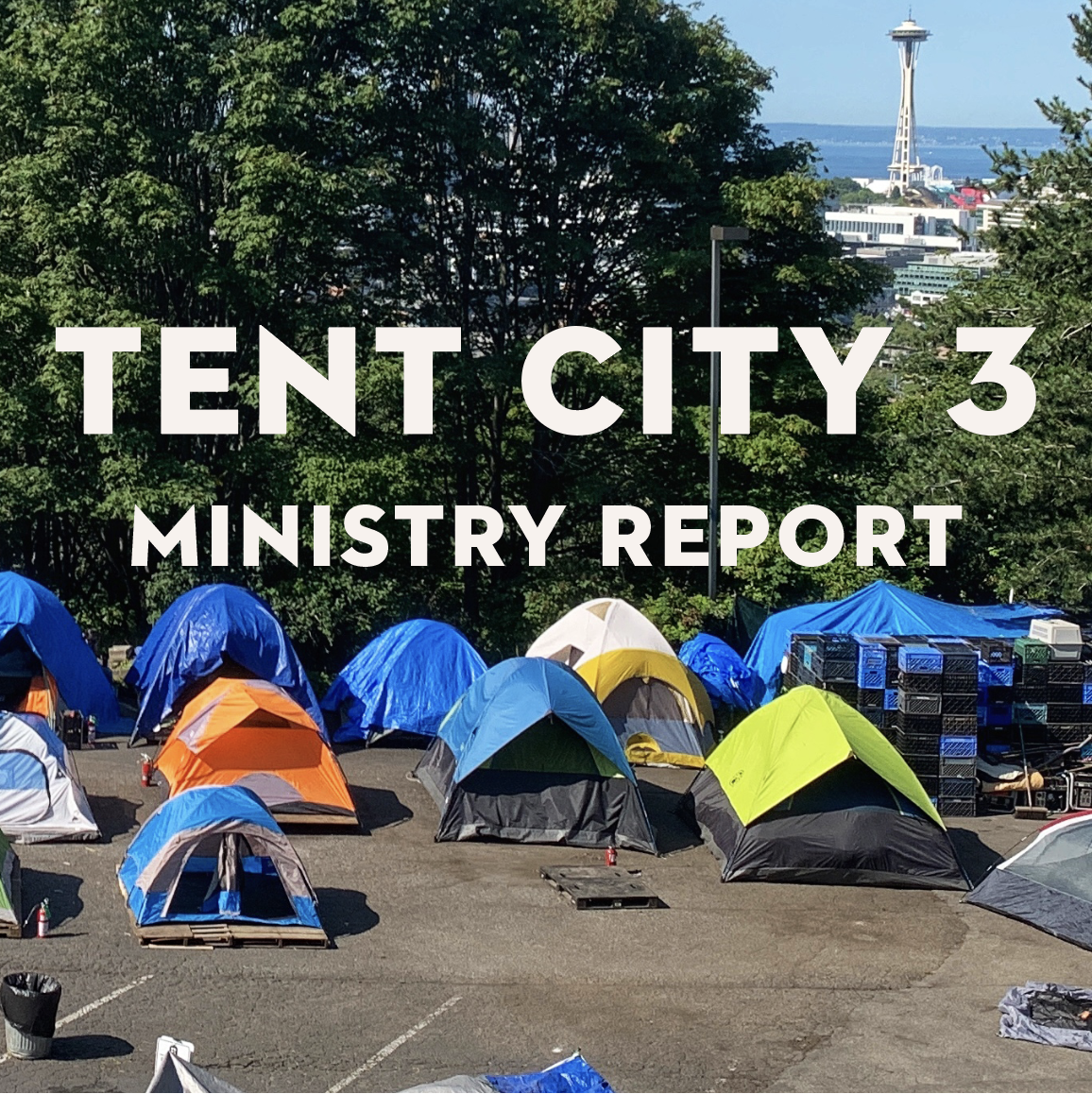
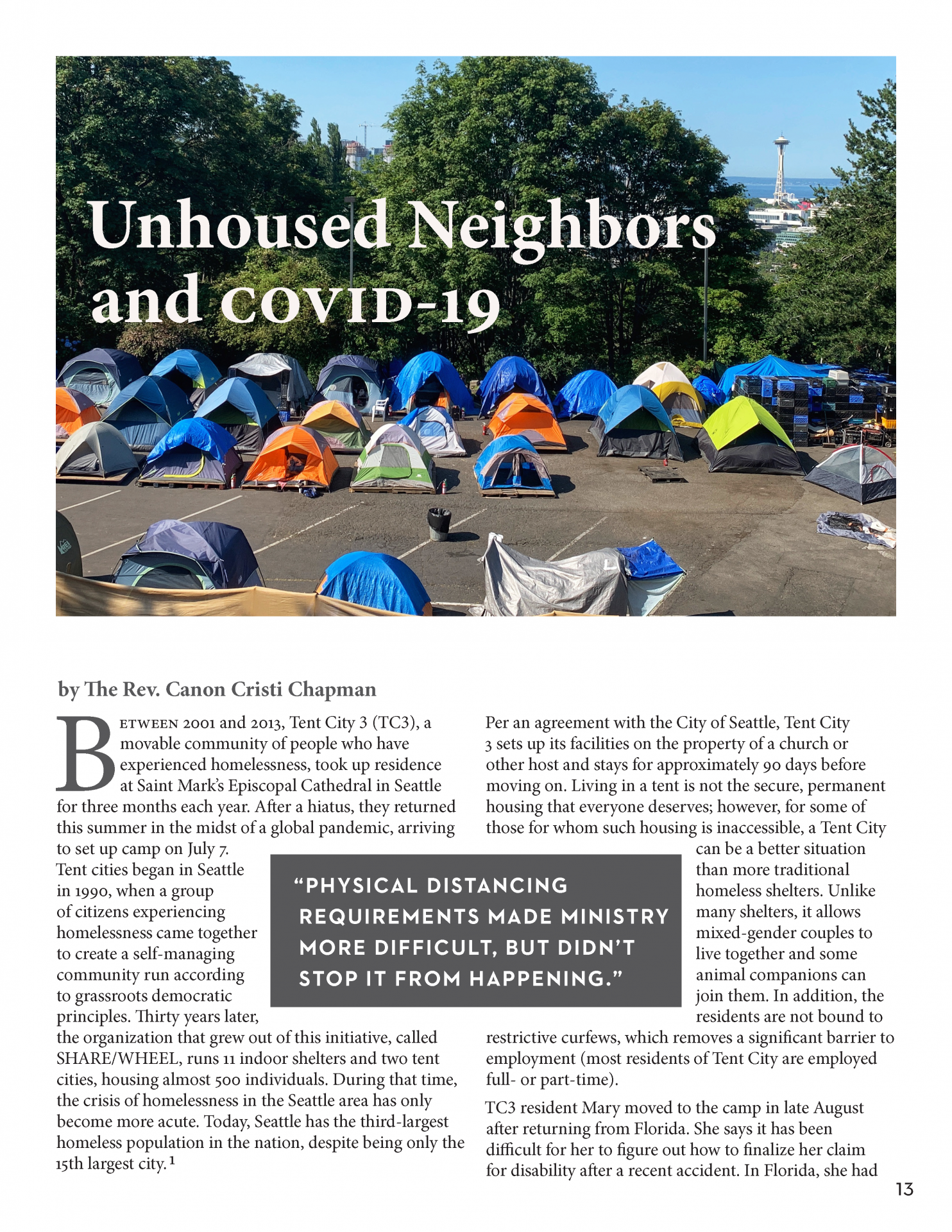
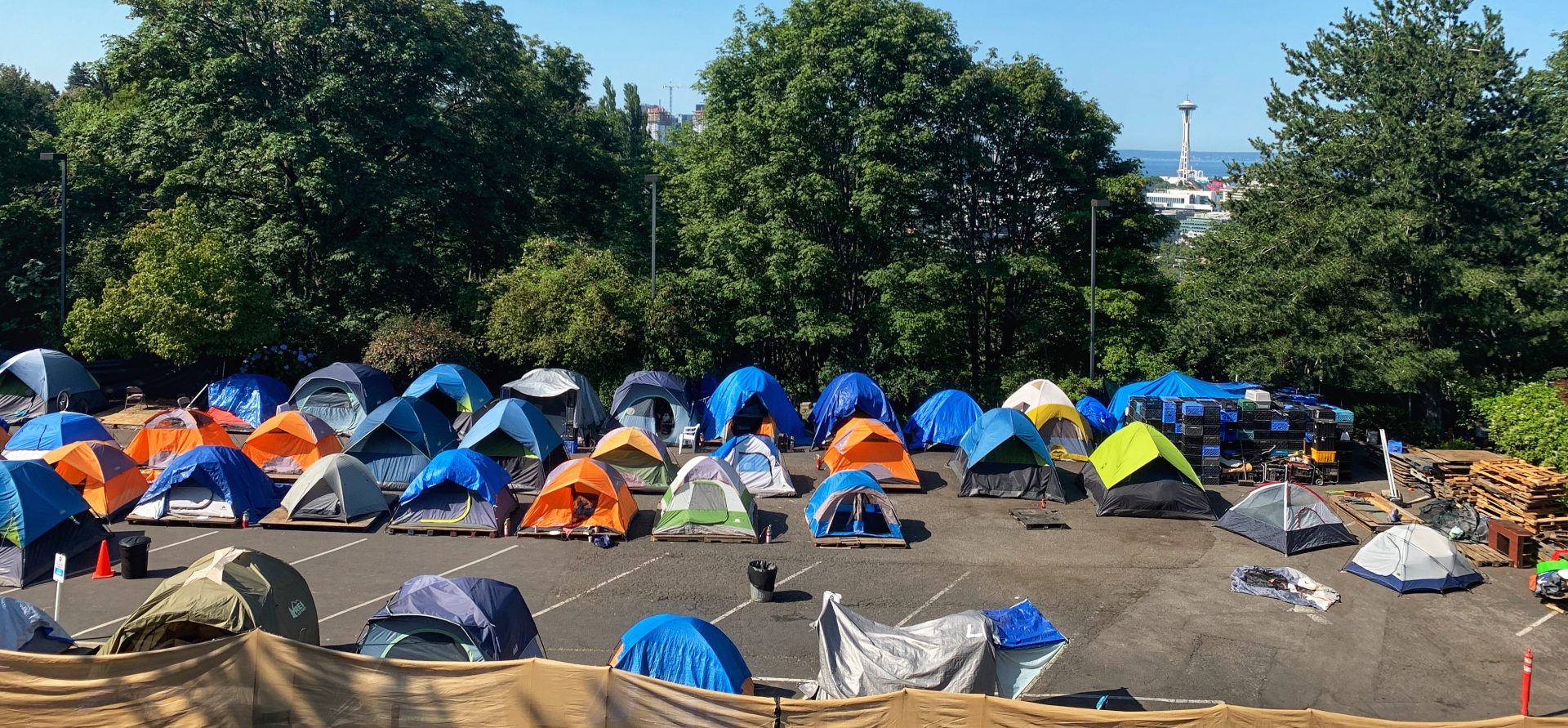
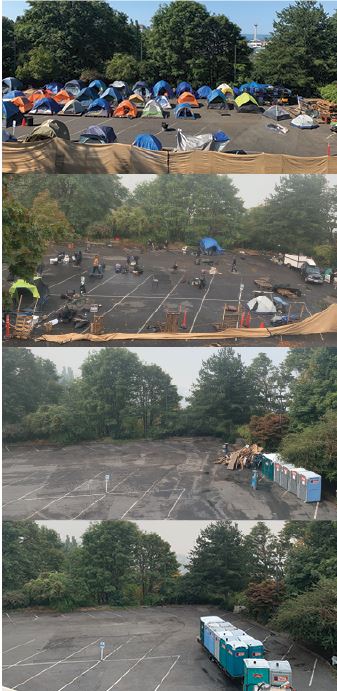 TC3 residents were not the only ones who had to adjust to covid-19. So did members from Saint Mark’s. In the past, many different groups at the cathedral would regularly interact with residents from the camp. While this summer’s building closure and physical distancing requirements made that more difficult, it didn’t stop ministry from happening. Instead, new ways developed to connect residents with the community. Members of Saint Brigid’s Banquet provided meals while adhering to the governor’s precautions. The cathedral provided pallets of water. Individuals brought other basic needs like socks, jeans, t-shirts, and can openers.
 This Friday, October 16th, marks the opening day in this state for early voting in the November 3rd general election. As I consider my own ballot, I find myself prayerfully mindful of the right and privilege I have as a voting citizen in this nation. Not everyone is afforded the right, restrained either by law or by impediments of disenfranchisement or disinterest.
 I often get questions, or challenges really—that the Church and its leaders should refrain from entering the political fracas. I appreciate their sentiment, which I take to mean we should avoid using the pulpit to make decidedly partisan pronouncements. They often cite “separation of church and state” as the prevailing reproach against such activity. A closer read of the founding documents of this nation, however, and additional clarifying statements made by those who wrote them, draws an important distinction between the need for a wall “separating church and state,” and some corollary premise to separate religion from politics. The latter is a fabrication not intended by the founders, and they made that very clear. They saw political and religious expression as inexorably linked and believed one’s values were derived from the intermingling of the two. [note 1]